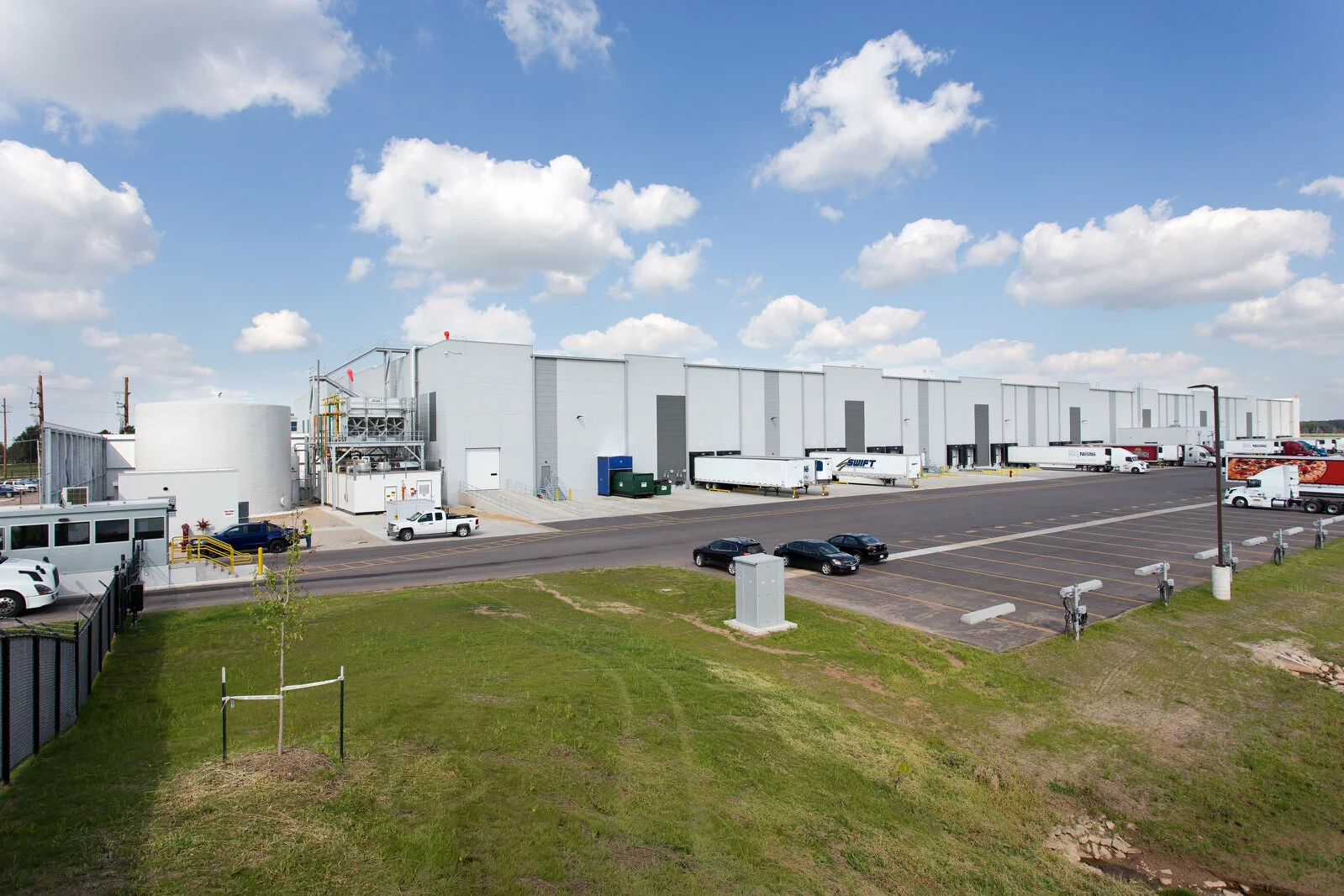
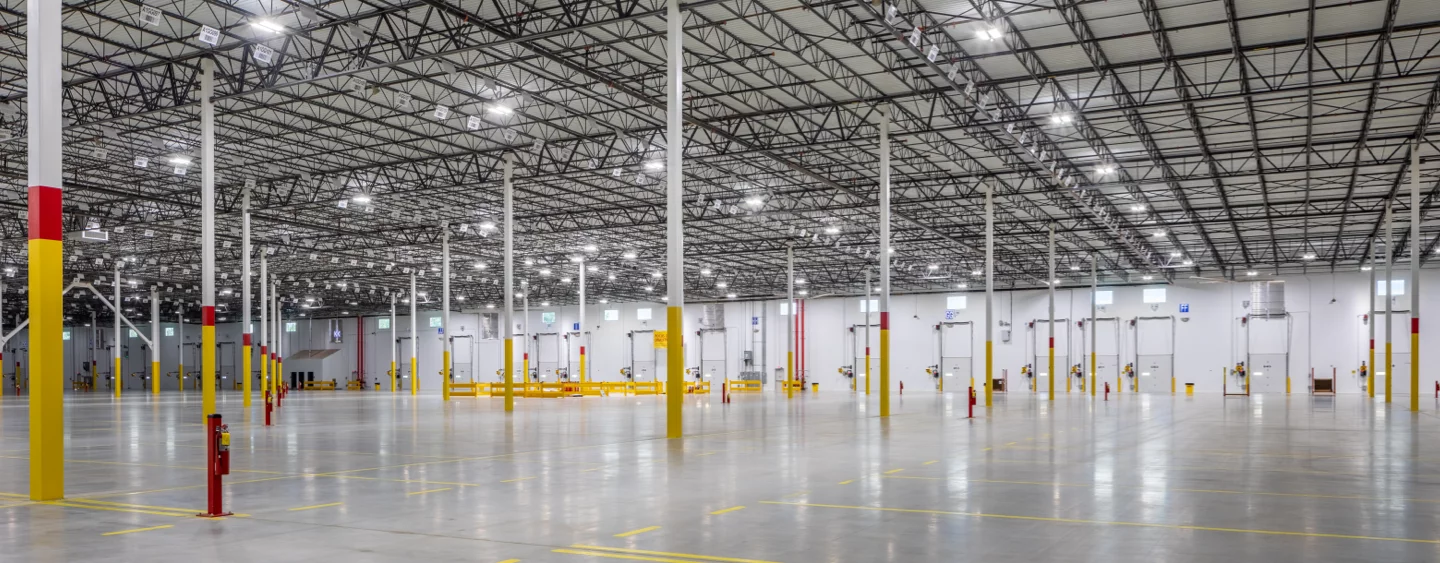
Demand is steadily increasing for commercial cold storage throughout the US supply chain. Fresh and frozen foods, pharmaceuticals, and florals are among the sectors driving retrofits, upgrades, and new construction. Each of these verticals comes with exacting codes and compliance standards to ensure product and food safety, workplace safety, and the operational efficiency needed to meet profitability goals.
At every turn in the cold storage facility development process, FCL’s National Cold Storage team is ready with expert counsel, resources, and connections based upon decades of specialized expertise and experience. We don’t just pass the baton with the final design; we consult with developers throughout the process to ensure site selection, facility design, product specification, and the construction schedule all align with the customer’s goals, budgets, and preferred working style.
We often deploy BIM (Building Information Modeling) to explore the implications of facility design and product specification options. We can analyze the long-term performance of different options across the projected lifespan of the facility to ensure a penny saved during construction doesn’t cost untold dollars in operational efficiency and product performance down the line.
Based upon the intended usage of the new cold storage facility, a complex array of industry compliance standards must be met in addition to local municipal codes. The food processing and distribution facilities we build must comply with hundreds of FDA, USDA, and HACCP (Hazard Analysis Critical Control Point) standards.
As products move through the cold storage facility, handlers must monitor and document proof that consistent temperatures were maintained at every turn, in addition to package integrity and facility cleanliness and sanitization. The equipment and labor needed to ensure compliance can take a toll on the facility’s structural integrity and energy consumption, which is why planners must balance holistic big-picture thinking with unwavering attention to detail. FCL ensures thousands of specified products are installed with utmost precision and coordination during construction.
Since FCL builds and retrofits a wide variety of modern cold storage facilities from coast to coast each year, we stay on the pulse of which building materials are in plentiful supply, and which need to be scheduled in advance for on-time delivery. One of the great detriments to on-time, on-budget project deliveries is avoidable material delays that then derail optimized subcontractor schedules. We ensure all necessary building materials are ordered, delivered, and staged precisely when needed for our trade partners to do their jobs.
Trusted relationships, built upon respect, are an essential part of FCL’s success in the cold storage arena. Our subs know we plan our projects with utmost precision to minimize or eliminate delays and callbacks when they’re on site. We pay on time to ensure we remain their top priority. FCL customers know that when they work with us, they are getting the best talent available.
FCL’s workplace safety leaders ensure everyone at or near a job site, including our employees, subcontractors, suppliers, customers, inspectors, and visitors, adheres to all industry safety policies and procedures. Our practices include properly posted signage, daily team meetings, unannounced inspections, and project-specific training. Anyone on site, at any time, can issue a stop work order the moment they see an area of concern. Getting everyone home safely, day in and day out, is our top priority. By setting high standards and exceeding them, we also ensure your project remains on time and on budget.

Commercial Cold Storage is an umbrella term that covers a wide range of facilities, each of which factors in thousands of variables that will affect the bottom line.
-Material availability
-Whether a project is new construction, including parcel grading, slab pouring, and brownfield to greenfield remediation, or a retrofit of an existing structure
-Facility design and style
-Single-use, such as one dedicated solely to frozen foods
-Mixed uses, including cool (fresh), cold, and frozen chambers, typically within a box-in-a-box design, or a facility that combines dry storage and office space with cold storage
-Facility size
-Facility Location, including applicable taxes, utility options, and intermodal logistics
-Energy efficiency goals, including LEED qualification
Successful cold storage construction timelines vary based on project size, site location, time of year, and project complexity. Small retrofits and upgrades may take a few months, while large distribution centers require years. Design, permitting, and equipment lead times significantly impact schedules. FCL’s local project leaders account for all potential variables, including strategic planning for seasonal weather (extreme heat, storms, snow) and natural disasters (wildfires, hurricanes, earthquakes). We help inform development decisions early on to best ensure we stick the landing on the intended completion date.
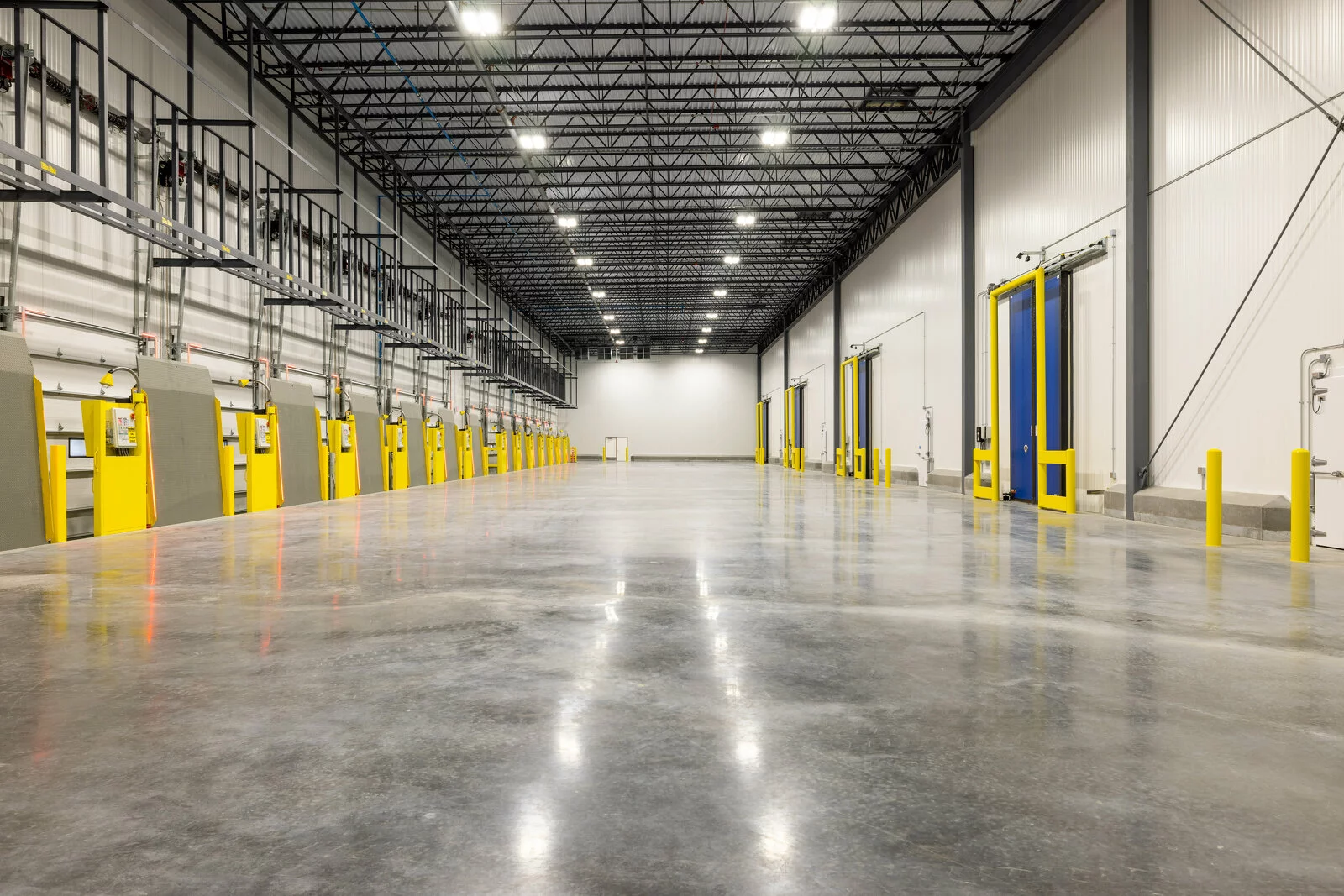
Flooring for commercial cold storage facilities differs from traditional dry storage in terms of the slab, sub slab, foundation insulation, flooring materials, and applicable thermal envelope design considerations (including vapor barriers, insulation, docks, and doors). These systems are designed to protect the structural integrity of the facility by preventing condensation and freezing beneath the slab. As the facility will remain a constant interior temperature year-round, while the ground soil will heat, cool, and freeze in different seasons, a sophisticated thermal envelope throughout the structure helps ensure the facility remains safe, structurally sound, and fully operational.