
Net Operating Income projections will differ based on whether the cold storage facility is public, where an operator rents out pallet space at fluctuating market rates to different tenants, or if the facility is private, where profitability is marked by sales and effectively storing and turning product.
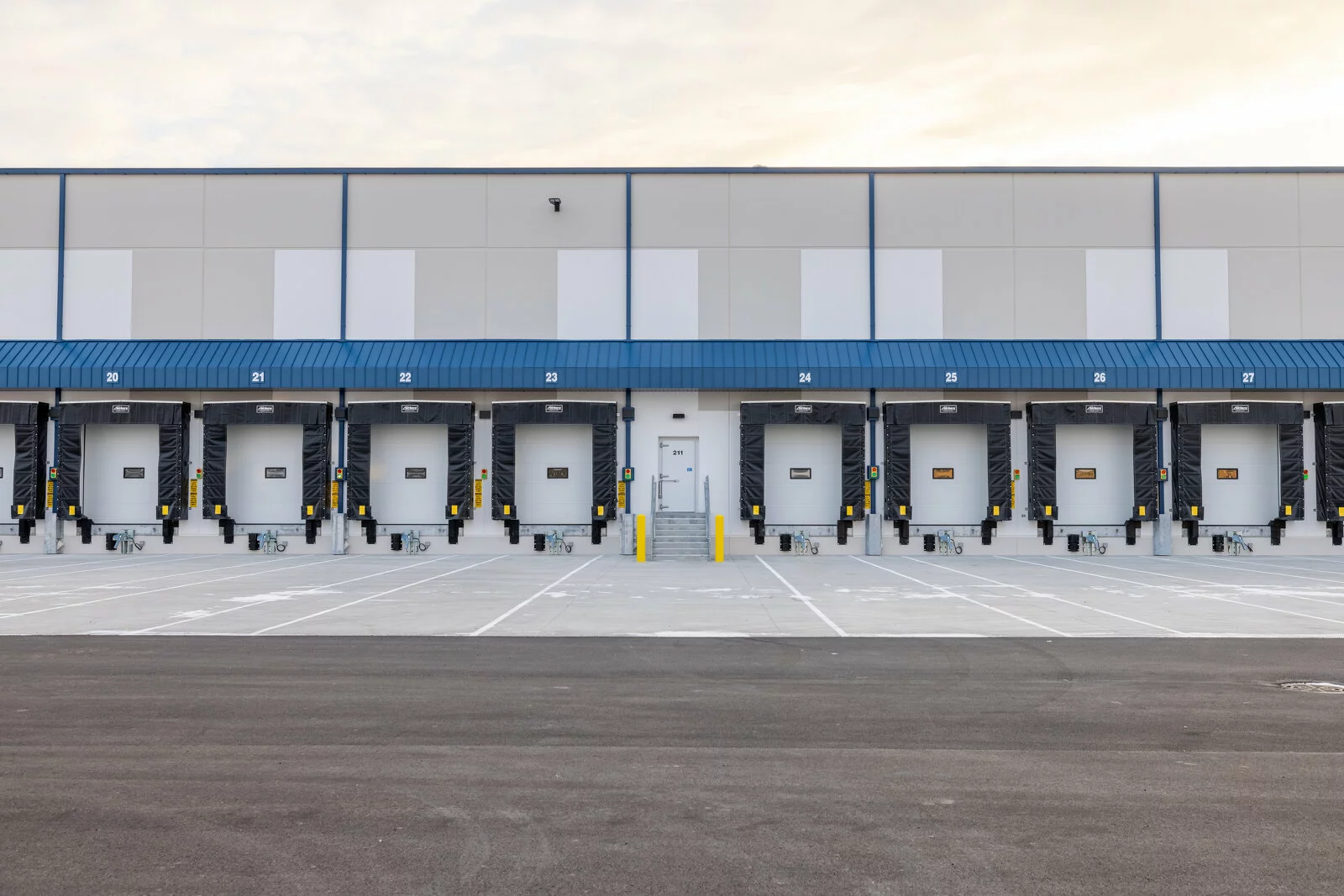
A cold storage facility might look similar to a dry warehouse from the exterior, but the structure is built upon a completely different thermal envelope. As more and more businesses in the food and beverage, pharmaceutical, and fresh cut floral industries expand their cold storage footprints, demand is surging in areas with limited inventory. As more land owners pursue development opportunities, questions abound about how cold storage projects are financed and structured. FCL is a leading cold storage construction partner for developers nationwide, so today we’re going to share some useful information to help you plan your next cold storage construction project.
No two cold storage projects are the same
The two basic types of cold storage facilities are mixed-use and single purpose. A mixed use facility might serve a variety of tenants or a single tenant with varying needs including refrigerated, frozen, and subzero storage. During their life cycle, many of these facilities will secure new tenants and their usage needs will change. Other examples of mixed use facilities include combination food processing and distribution facilities and cold storage space paired with dry storage, office, or retail.
Single use facilities, on the other hand, dedicate all of their temperature controlled storage to a single purpose, such as a frozen foods distribution warehouse. These facilities often integrate a small footprint of office space, staff lockers, and other non-refrigerated square footage.
Next – there are two types of cold storage development options:
These are just a few of the variables that will play a role in the development and construction budget of the cold storage facility. Next, we’ll explore specific components of a cold storage facility and their impacts on budget.
Key Cost Drivers in the Cold Storage Sector
Based on how much of the facility will be dedicated to cold storage, essential elements of the thermal envelope – from the subslab to rooftop compressors and everything between – will determine the final construction budget.
Long-term operational costs vs. upfront capital investment
In terms of the long-term viability of a project, maintenance and operating costs (power, water, labor, etc.) will be also factored into the financial model. In many cases, product selections intended to bring down construction costs will result in higher operating costs across the life of the facility. To prevent this from happening, FCL uses Building Information Modeling as needed to help developers make informed decisions about the 20+ year financial impacts of their upfront design decisions. A product as simple as a specific fastener or as giant as an insulated metal panel can be tracked across the projected lifespan of the facility in terms of energy consumption, heat loss, compatibility with other components, and projected lifespan.
Cost Per Square Foot: Cold Storage versus Dry Warehousing
According to the most recent estimates by the Commercial Real Estate Development Association (NAIOP), the cost per square foot for cold storage can range between $130 and $350+ per square foot. Traditional dry warehouses range from $78 to $120 per square foot. The wider range within cold storage is due to the wide variety of finishing features, including cooling units, insulation, advanced fire suppression systems, plumbing, and air sealing at entry points, docks and shipping bays. Retrofitting existing structures can often be as expensive as new construction, as cold storage facilities require specialty slabs and heavy compressors that may exceed the capabilities of existing roofs.
Much of the nation’s cold storage infrastructure is aging, in many cases operating structures are 40+ years old, which makes them incompatible with recent technological innovations operators will need to maximize efficiency and profitability. Within the past decade, technology has revolutionized automation, lifts and conveyor systems, racking and cooling systems, and energy efficient cooler entrances and loading bay doors. Automation is especially important since cold storage facilities can be challenging to staff due to the physical demands of sustained exposure within below freezing temperatures.
Land acquisition sets the cold storage development project into motion. Just because a parcel is affordable, doesn’t mean it’s viable for cold storage. The physical parcel must have the grading, drainage, and structural integrity to allow the proper foundation and infrastructure a massive cold storage facility needs to remain in constant operation though all seasons. Next, the lot must be able to accommodate logistics vehicle traffic, including loading and unloading turnarounds and easy access to arterials. The site must have access to a reliable power grid, plus robust water supply and sewer drainage lines.
And finally, intended usage will drive how close the site must be to population centers.
Manufacturing and Processing centers transform raw and semi finished products into finished goods for retail sales. These can be further from end users but must be along supply lines for key ingredients. Pest and humidity control are key drivers of success along with temperature.
Gateway Distribution facilities are typically located near ports and rail to move finished or semi-finished goods closer to retail. These high volume facilities thrive with automation, often demanding rack heights up to 150 feet.
Multi Market Distribution facilities connect Gateway and Last Mile cold storage facilities. They are often located in industrial parks between major urban areas and are sized between 200-500K sq. ft., for single or multi-tenant use.
Last Mile cold storage facilities are typically located in major urban areas, serving as the last stop to service retail, restaurant, or even end users. These sites can run smaller, 40-100K sq ft.
Once the site is selected, design will include a variety of considerations. Steel Frame with IMP (Insulated Metal Panel) exterior structures traditionally cost more than a tilt wall or precast structure, but offer amazing R-values in terms of insulation efficiency. This design works great for large scale cold storage facilities. Box in a Box cold storage consists of tilt-up or precast concrete, with an interior cold box constructed of Insulated Metal Panels (IMP) walls and ceilings. These are often used to retrofit cold storage capabilities into an existing structure. Affordable hybrid options combine exterior concrete walls with IMP liners.
Within the structure, advanced fire protection systems and specialized flooring options will also impact development costs.
As a builder, we tend to stay in our lane in terms of helping clients map out their budgets for cold storage construction as part of the long-term financial viability of the project. Some builders will enter the picture late, mainly taking finalized designs and bringing them to life. Most often, we are invited to consult from the earliest part of the project onward, providing valuable expertise on land acquisition, local zoning laws, and compliance. We also explore upfront and long-term implications of building materials selection, based upon supply chain availability and long term performance.
Cost overruns can derail a project, so we offer clients many contractual options to help contain costs and shift overage risk onto us. Lump Sum is a basic contract, where developers pay an agreed upon price barring scope of work changes, allowing the builder to pocket any savings they achieve without compromising integrity. Guaranteed Max Price (GMP), which covers most of our contracts, caps the price at a negotiated rate. Any savings are split 50/50 or 25/75 as efficiencies are achieved.
Design/Build contracts transfer design responsibilities to the builder, taking them to deliver the project within the expected price range. Design/Assist is an offshoot of design/build, where builders help spec what the client designs and consult throughout the process. As most cold storage projects have 5000+ line item considerations, each with impacts on the performance of related systems, such attention to detail can dramatically impact the bottom line.
No matter what options you choose, be sure the builder doesn’t hide profits into hidden fees. Our fees are transparent and based on the actual cost of work (COW) – hard costs, reasonable fees, taxes, insurance, contingency, etc. Some firms will mark up materials purchases or insurance policies.
Accurate estimates are a key factor in helping developers make informed decisions upfront. Our goal is for our clients to enjoy a headache-free experience with zero unwanted surprises during construction. Professional estimators don’t risk valued client relationships by guessing prices or basing new estimates upon recently completed projects. It takes detailed knowledge of the vertical (in this case, cold storage) and trusted relationships with suppliers and subcontractors to bring thousands of calculations into a pinpoint accurate estimate.
Building materials are prone to backorders and bottlenecks based upon fluctuating demand, component availability, and other events that may disrupt shipping. Supplies may vary by region, so it helps that a builder has a pulse on nationwide inventory in case materials in one region need to be express-shipped to another.
In turn, talented subcontractors are in high demand and often book projects more than a year in advance. They need to trust a builder’s ability to create and honor an accurate schedule to avoid downtime and calendar overruns, in addition to paying on time. Trusted builder relationships pay off for developers by ensuring top talent makes their project a priority.
Total return on investment (ROI) for a cold storage facility depends on every decision made during design and construction, plus how efficiently the facility is operated and maintained. Design and construction play an important role in setting up the facility operators for success long down the line.
While the economy will ebb and flow throughout the course of the cold storage facility’s lifespan, market demand for food and medicine tends to have less elasticity than other consumer purchases including travel. Informed decisions about where populations are migrating will ensure facilities are built close to where demand will be greatest. Inventory will determine when to build and whether others enter the market.
Capitalization rates tend to be higher for cold storage projects, as the higher capital investment costs increase overall risk. That risk is often offset against the stability of demand, barring unpredicted shifts in available inventory. Developers can further offset risk by future proofing design, including ceiling heights, to anticipate likely technological innovations before they’re brought to market.
Net Operating Income projections will differ based on whether the cold storage facility is public, where an operator rents out pallet space at fluctuating market rates to different tenants, or if the facility is private, where profitability is marked by sales and effectively storing and turning product. In both cases, a key driver of profitability will be inventory protection, ensuring perishable merchandise doesn’t spoil through efficient stock rotation and precise control of temperature, humidity, and pest infestation.
While LEED certification from the US Green Building Council is the gold standard for environmental responsibility, every step developers take to maximize energy efficiency will make a major impact on the facility’s overall profitability. Some of the more popular selections include:
This article taps the tip of the iceberg in terms of the thousands of variables that will affect the construction budget of a commercial cold storage facility, and the long-term profitability of the investment and overall returns. FCL has been an industry leader in commercial cold storage construction for years, working with some of the nation’s top developers, retail brands, and property managers. Our Cold Storage Development Specialists are available to answer your questions and provide expert counsel to ensure your next Cold Storage project is delivered to the highest standards of quality alongside an exceptional customer experience.